
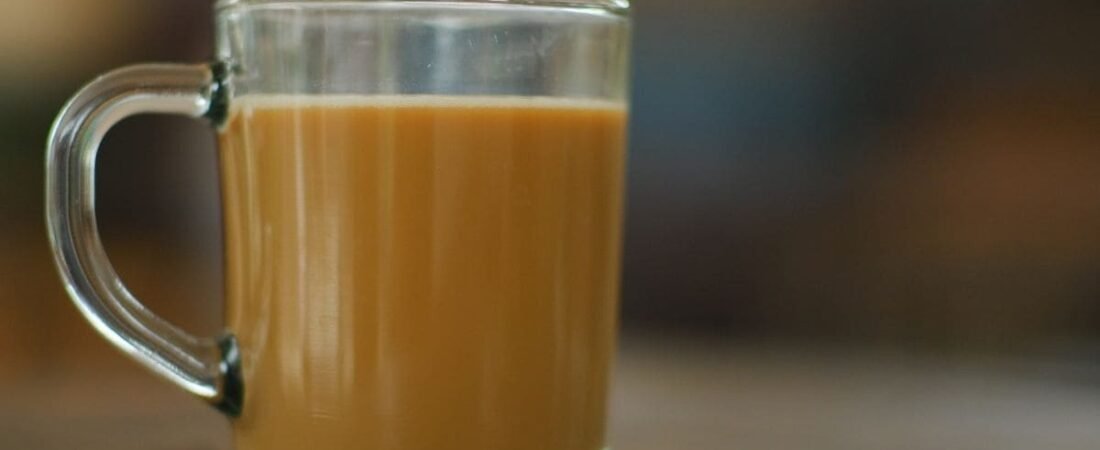
Why Double Wall Glass Coffee Cups Keep Coffee Hot Longer
If you’ve ever taken a sip of coffee only to find it lukewarm ten minutes later, you already know the problem with an ordinary mug. That’s where double wall glass coffee cups come in. They’ve become a favorite among coffee lovers who want their drink to stay hot longer, without sacrificing the clean, elegant look of glass. In this post, we’ll break down what these cups actually are, how they work, whether they’re safe for hot drinks, how they stack up against other materials, and where you can find the best ones.
Short on time? Jump straight to our top picks.
See Our Top 10 Double Wall Glass Coffee CupsWhat are Double Wall Glass Coffee Cups
A double wall glass coffee mug is exactly what it sounds like: a cup made of two layers of glass fused together, with a small pocket of air sealed between them. Unlike a standard single-layer glass coffee mug, this design creates a built-in insulating barrier. From the outside, they look like simple, minimalist glass coffee cups, often with a soft, floating appearance since you can’t see any visible connection between the inner and outer walls. But that clever construction is doing a lot of work behind the scenes.
The design isn’t actually new. Double wall glassware traces back to Eastern European tea culture, where “podstakannik” glass holders and layered tea glasses were used for centuries to keep hot drinks warm without burning the hand holding them. Coffee shops and home baristas rediscovered the concept over the past couple of decades, and it’s now a staple in specialty coffee culture because it looks as good on an espresso bar as it does on a kitchen counter.
Most double wall cups are also surprisingly light for their size. Because there’s only a thin shell of glass on each side, with air (not solid glass) filling the middle, the cup weighs far less than its thickness would suggest, a detail people notice the first time they pick one up.
How They Work
The magic behind double wall glass coffee cups comes down to basic physics. Heat naturally wants to move from a warmer surface to a cooler one, and in a regular mug, that means your coffee’s warmth escapes quickly through the glass and into the air (or your hand). In a double wall cup, the layer of trapped air between the two panes of glass acts as an insulator, slowing that heat transfer dramatically.
This is the same principle used in double-pane windows and thermal flasks: air is a poor conductor of heat, so sealing it between two barriers keeps warmth locked in longer. There are three main ways heat normally escapes from a hot drink, and the double wall design addresses two of them directly:
- Conduction: heat moving through the solid material of the cup and into your hand. The air gap interrupts this path almost entirely, which is why the outer wall stays cool even when the coffee inside is scalding.
- Convection: heat carried away by air currents around the cup. The sealed air pocket doesn’t circulate the way open air does, so it holds its temperature instead of constantly cycling warmth away.
- Radiation: heat lost as infrared energy from the surface. This one isn’t fully solved by the air gap, which is why even double wall glass will eventually let a drink cool, just far more slowly than a single layer would.
In practical terms, this means a latte that would drop to room temperature in 20-25 minutes in a plain glass cup might stay pleasantly warm for 45 minutes or longer in a double wall version, enough time to actually enjoy a slow morning instead of racing the clock.
Are They Safe and why Double Are Ideal for Coffee
A common question people ask before buying is, “can I put hot coffee in a glass cup?” The answer is yes, as long as the glass is designed for it. Double wall glass cups are typically made from borosilicate glass, a type of glass engineered to withstand rapid and extreme temperature changes without cracking or shattering. Unlike ordinary soda-lime glass (the kind used in most drinking glasses), borosilicate has a very low coefficient of thermal expansion, meaning it barely expands or contracts as temperatures shift. That’s what allows you to pour boiling coffee straight into one without worrying about thermal shock.
Beyond safety, double wall construction is genuinely ideal for coffee drinkers for a few practical reasons:
- No burnt fingers: the outer wall stays cool even when the coffee inside is hot, so you can hold it by the sides rather than searching for a handle.
- No condensation rings: the insulation keeps the outside of the glass at close to room temperature, which prevents the sweating that normally leaves rings on tables and counters, so no coaster is required.
- Better flavor experience: glass is non-porous and doesn’t absorb odors or flavors from previous drinks the way plastic or some ceramics can, so every cup tastes as clean as the first.
- Visual appeal: you get to watch the rich color and crema of your espresso or the swirl of cream in a pour-over through the glass, which ceramic or stainless mugs simply can’t offer.
- Versatility: the same cup that holds a cappuccino in the morning works just as well for iced coffee, tea, or even a light dessert in the afternoon.
As long as you choose a reputable double wall glass mug made from quality borosilicate glass, it’s a completely safe and stylish way to enjoy hot coffee, no more guessing whether “can I put hot coffee in a glass cup” applies to what’s sitting in your cabinet.

Double Wall Glass vs. Other Mug Materials
To put things in perspective, here’s how double wall glass coffee cups compare to the other materials you’ll typically choose between.
| Feature | Double Wall Glass | Ceramic | Stainless Steel Travel Mug |
|---|---|---|---|
| Heat retention | Good, noticeably longer than single-wall glass | Moderate, cools fairly quickly | Excellent, especially vacuum-sealed versions |
| Visibility of drink | Full, glass lets you see color and layers | None | None |
| Comfortable to hold when hot | Yes, outer wall stays cool | No, can get hot to the touch | Yes, with insulated design |
| Flavor neutrality | Excellent, non-porous | Good, though glazes vary | Good, but metal taste possible over time |
| Breakage risk | Moderate, glass can chip or crack if dropped | Moderate | Very low |
| Best for | Home, café aesthetic, sit-down drinking | Everyday casual use | Commuting, outdoor use |
Pros and Cons of Double Wall Glass Coffee Cups
| Pros | Cons |
|---|---|
| Keeps coffee hotter for longer than single-wall glass | Generally costs more than basic ceramic or plastic mugs |
| Cool to the touch outside, even with hot liquid inside | Can be more fragile than ceramic or metal if dropped |
| No condensation rings on tables or countertops | Hand-washing is often recommended over dishwashers to protect the seal |
| Lets you see and appreciate the color and texture of your drink | Not ideal for travel or on-the-go use compared to insulated tumblers |
| Doesn’t retain odors or flavors from previous drinks | Smaller capacity is common, since larger double wall builds get heavy and pricier |
| Elegant, café-style look that suits both home and gifting | Quality varies widely between brands, so cheaper options may not use true borosilicate glass |
Where Can I find these Mugs
Double wall glass coffee cups have grown popular enough that you’ll find them at most kitchenware retailers, specialty coffee shops, and online marketplaces. But not all of them are created equal: wall thickness, glass quality, and seal integrity vary a lot between brands, which affects both durability and how well they actually retain heat. A few things worth checking before you buy:
- Material: confirm it’s genuine borosilicate glass, not just “heat-resistant” marketing language.
- Seal quality: a well-fused seam between the inner and outer walls prevents moisture from seeping into the air pocket over time.
- Capacity: double wall cups range from small 3 oz espresso glasses to 16 oz latte-sized mugs, so pick based on how you actually drink your coffee.
- Care instructions: many are hand-wash only to protect the seal, which is worth knowing before it ends up in the dishwasher.
To save you the guesswork, we’ve rounded up and tested the best options available right now, comparing them on heat retention, build quality, capacity, and price.
Ready to find the perfect cup for your coffee?
See Our Top 10 Double Wall Glass Coffee Cups